
The Compassion Deficit – Why are the hungriest states the most hostile to public benefits?
Over the past year, MAZON has been on the road visiting the most food-insecure areas of the country to better understand hunger in America and what advocates need to help their communities.
As a Program Officer for MAZON, part of my work is to identify the barriers that keep families from receiving the assistance they need to get by. What comes through quite clearly from spending time in states with staggering rates of food insecurity is that public benefits are highly controversial, and advocates are up against entrenched cultural and societal barriers in their fight to help those who struggle with hunger.
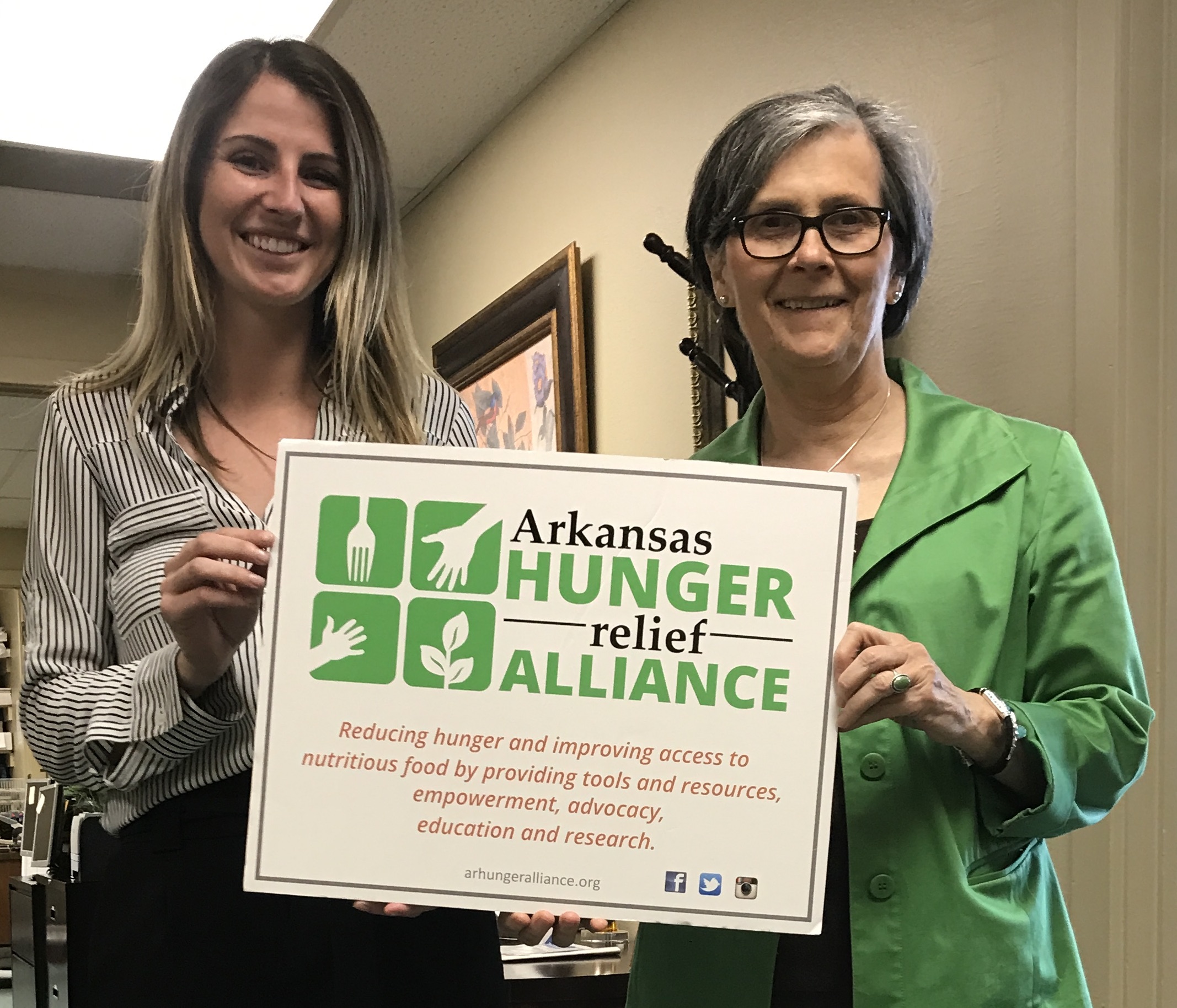
Most recently, I visited Little Rock, Arkansas and New Orleans, Louisiana, where I witnessed and heard firsthand accounts of how hunger affects a broad swath of people, including children, seniors, military families, veterans and especially those living in rural areas.
I also continue to hear from our partners on the ground that, paradoxically, people who live in areas with chronic poverty often hold the most pervasive stereotypes about public benefits and the people who use them. Our partners in those states where poverty is stubborn are up against persistent conservative narratives about the people who need help from the government just to survive.
One narrative insinuates that SNAP recipients are purposefully ripping off the American taxpayer—that they are passive freeloaders who actively choose government benefits over work or would be more than fine without assistance. Another perpetuates a myth that SNAP recipients are using their benefits inappropriately, either to buy “luxurious” foods like steak or lobster, or selling their benefits to buy contraband items such as alcohol, drugs or guns. Probably the most widespread fiction of all—even among many who hold more compassionate beliefs about SNAP recipients—is that the majority of people who receive benefits are minorities.
These myths aren’t just fallacies; they’re dangerous. The rhetoric that surrounds those who use public benefits—in these communities and across the nation—makes it that much harder to protect food assistance benefits and fight for adequate funding for these vital programs when harsh restrictions are up for debate (as they, unfortunately, continue to be). Advocates in the anti-hunger movement must work to dispel these deep-seated yet false narratives in the court of public opinion, in their community, and in the highest levels of state government where one would hope facts—not fictions—would prevail.
Today’s misplaced debate about how much to cut from public assistance programs needs to become an honest conversation about who receives public benefits and why, in order to better help all Americans—including those living in poverty—have access to a piece of the American Dream.